As we move through 2026, the cryptocurrency market has evolved from a speculative frontier into a maturing asset class with deeper institutional involvement, clearer regulations, and real-world utility. Bitcoin continues to dominate, while innovations in tokenization, stablecoins, AI integration, and Real World Assets (RWA) are reshaping the industry.
This comprehensive guide covers everything you need to know about cryptocurrency in 2026 — from market trends and key players to practical strategies for investing safely and effectively.
The Current State of the Crypto Market in 2026
The crypto market in 2026 is characterized by consolidation, institutional adoption, and a shift toward utility over hype. Bitcoin maintains strong dominance (around 55-60%), acting as digital gold and a macro hedge. Institutional capital continues to flow in through ETFs, with predictions suggesting ETFs could absorb more than 100% of new Bitcoin supply in certain periods.


Bitcoin price predictions for 2026 vary widely, ranging from conservative targets around $75,000–$100,000 to more bullish forecasts reaching $150,000–$250,000, depending on macroeconomic conditions and regulatory clarity. Ethereum, Solana, and XRP also remain major players, with growing on-chain activity and ecosystem development.
Overall market sentiment leans toward maturity: fewer pure meme-driven pumps and more focus on compliance, infrastructure, and sustainable growth.
Key Trends Shaping Cryptocurrency in 2026
Several powerful narratives are driving the industry forward:
- Institutional Adoption: Banks, hedge funds, and even Ivy League endowments are increasing exposure. Bitcoin and Ethereum ETFs have normalized crypto as part of traditional portfolios.
- Real World Asset (RWA) Tokenization: Tokenizing bonds, real estate, equities, and other traditional assets on blockchain is one of the biggest growth areas. This bridges TradFi and DeFi, unlocking trillions in liquidity and offering new yield opportunities.
- Stablecoins as the Internet’s Dollar: Stablecoins like USDT and USDC are becoming essential for payments, remittances, and business operations, with expanding use cases in cross-border transactions.
- AI and Crypto Convergence: AI agents for automated trading, decentralized AI chatbots, and AI-driven DeFi strategies are gaining traction, making crypto operations more efficient and intelligent.
- Regulatory Clarity: Frameworks like MiCA in Europe and evolving U.S. policies are reducing uncertainty. Compliance and AML standards are becoming table stakes for projects.
- Layer-2 Scaling and Interoperability: Solutions on Ethereum, Solana, and other chains continue to improve speed and lower fees, supporting mass adoption.
- DeFi Evolution: From yield farming to institutional-grade products, DeFi is maturing with a focus on RWA integration and risk management.
Meme coins and pure speculation still exist but are taking a backseat to projects with real utility and adoption metrics.
Top Cryptocurrencies to Watch in 2026
Here are the leading assets dominating the market this year:
- Bitcoin (BTC) — The undisputed leader and store of value. Institutional demand remains its strongest driver.
- Ethereum (ETH) — The backbone of smart contracts, DeFi, and NFTs, with ongoing upgrades enhancing scalability.
- Solana (SOL) — Known for high speed and low fees, Solana continues to attract developers and users in DeFi and gaming.
- XRP (XRP) — Strong in cross-border payments, with growing institutional and regulatory tailwinds.
- BNB — The native token of the Binance ecosystem, benefiting from exchange utility and DeFi growth.
- Stablecoins (USDT, USDC) — Essential for stability and everyday transactions in the crypto economy.
Other notable mentions include tokens in AI (e.g., Bittensor), RWA platforms (e.g., Ondo), and emerging Layer-1 or DePIN projects.
How to Get Started with Cryptocurrency in 2026
For Beginners
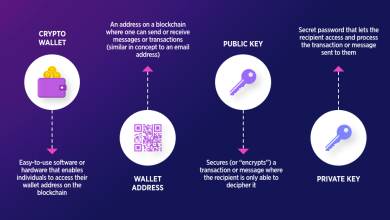
- Educate yourself on blockchain basics, wallets, and security.
- Start small with Bitcoin or Ethereum via reputable exchanges or ETFs.
- Use Dollar-Cost Averaging (DCA) to reduce timing risk.
Choosing a Wallet and Exchange
- Hardware wallets (Ledger, Trezor) for long-term storage.
- Software wallets for daily use.
- Select regulated exchanges with strong security records and fiat on-ramps.
Building a Portfolio
A balanced 2026 portfolio might look like:
- 50–60% in Bitcoin and Ethereum (core holdings)
- 20–30% in major altcoins like Solana or XRP
- 10–20% in high-conviction sectors (RWA, AI, DeFi)
Always diversify and never invest more than you can afford to lose.
Risk Management and Security Best Practices
Crypto remains volatile. Protect yourself by:
- Using stop-loss and trailing stop orders.
- Implementing profit-taking strategies (e.g., laddered exits).
- Enabling 2FA and avoiding phishing scams.
- Conducting thorough due diligence — check team, tokenomics, audits, and on-chain metrics.
- Staying informed about regulations in your jurisdiction.
Common pitfalls to avoid: FOMO-driven purchases, unverified projects, and over-leveraging.
The Future Outlook for Cryptocurrency
2026 is seen as a year of consolidation and groundwork for broader adoption. Experts predict continued institutional inflows, growth in tokenized assets, and integration of crypto into traditional finance. While short-term volatility is expected, the long-term trajectory points toward mainstream utility — from payments and remittances to on-chain capital markets.
Challenges remain, including regulatory hurdles, security risks, and environmental concerns, but innovation in scaling, compliance, and real-world applications is addressing many of them.