In the fast-paced and often speculative world of cryptocurrency, many investors chase price charts and hype-driven narratives.
However, in 2026 — a year marked by greater institutional adoption, clearer regulations, and maturing on-chain innovation — the investors who build lasting portfolios are those who prioritize fundamental analysis (FA).
While technical analysis helps time entries and exits, fundamental analysis reveals the true intrinsic value of a digital asset, helping investors separate high-quality projects from speculative noise.

Fundamental analysis evaluates a cryptocurrency’s underlying worth by examining its technology, economics, team, adoption metrics, and real-world utility.
Unlike stocks, where balance sheets and earnings reports dominate, crypto FA focuses on blockchain data, tokenomics, and ecosystem health. This approach is especially powerful for long-term investing in an asset class still prone to extreme volatility.
Why Fundamental Analysis Matters More in 2026
The crypto market has evolved. Institutional players, spot ETFs, tokenized real-world assets (RWAs), and stablecoin growth have introduced more sophisticated capital. Years like 2025 showed that hype alone can drive short-term gains, but sustainable returns increasingly come from projects with strong fundamentals.
Analysts note that 2026 rewards quality over speculation. With regulatory clarity improving and institutions demanding transparency, assets with robust use cases, sound token economics, and genuine adoption are better positioned for growth. Fundamental analysis acts as a filter, reducing the risk of investing in “rug pulls,” abandoned projects, or tokens with inflated valuations.
Key Components of Crypto Fundamental Analysis
1. The Project and Its Problem-Solving Value
Start with the basics: What real-world problem does this cryptocurrency solve? Read the whitepaper carefully — it should clearly explain the technology, roadmap, and competitive edge.
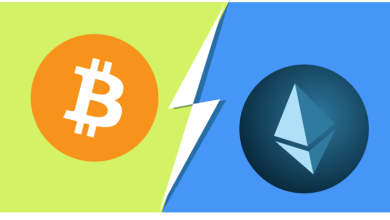
- Use Case and Utility: Does it power decentralized finance (DeFi), supply chain tracking, payments, or AI agents? Ethereum excels here due to smart contracts, while Bitcoin dominates as a store of value.
- Competitive Advantage: Is the project first-mover, or does it offer superior scalability, security, or interoperability compared to rivals?
2. The Team and Community
Evaluate the people behind the project. Look for experienced founders with transparent track records (LinkedIn, past projects, or audits). Anonymous teams raise red flags in 2026’s more regulated environment.
Community strength is equally vital. Active engagement on social platforms, developer activity on GitHub, and growing user bases signal organic support. Tools like on-chain analytics help verify real participation rather than paid hype.
3. Tokenomics: The Economics of the Token
Tokenomics is often the make-or-break factor. Analyze:
- Supply Mechanics: Total supply, circulating supply, inflation rate, and burning mechanisms. Bitcoin’s fixed 21 million cap contributes to its scarcity narrative.
- Distribution and Vesting: Are tokens fairly distributed, or heavily concentrated among insiders with looming unlocks that could cause selling pressure?
- Utility vs. Speculation: Does the token have genuine uses (staking, governance, fees) that drive demand, or is it purely speculative?
Well-designed tokenomics align incentives between developers, users, and holders for long-term sustainability.
4. On-Chain Metrics: The Blockchain’s Vital Signs
On-chain data provides objective evidence of health and adoption:
- Active Addresses and Transaction Volume: Growing numbers indicate real usage.
- Network Fees and Hash Rate (for Proof-of-Work): High fees suggest demand; strong hash rate reflects security.
- Total Value Locked (TVL) in DeFi: For protocols like Ethereum or Solana, TVL measures capital committed to the ecosystem.
- Developer Activity: Regular code commits and upgrades show ongoing innovation.
Platforms offering on-chain analytics make these metrics accessible even to retail investors.
5. Financial and Market Metrics
- Market Capitalization and Liquidity: A healthy project has sufficient liquidity to avoid extreme slippage.
- Circulating vs. Fully Diluted Valuation (FDV): A high FDV relative to current market cap may signal future dilution risk.
- Partnerships and Ecosystem Growth: Institutional integrations, real-world asset tokenization, or major collaborations add credibility.
6. External Factors: Regulation and Macro Environment
In 2026, regulatory developments play a bigger role. Projects compliant with evolving global rules (such as clearer frameworks in the US and Europe) face lower risk. Broader macroeconomic trends — interest rates, institutional flows, and adoption of stablecoins or tokenized assets — also influence long-term value.
How to Combine Fundamental Analysis with Other Approaches
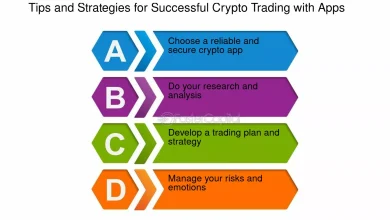
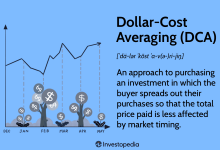
Fundamental analysis shines for long-term investing and portfolio construction. Use it to identify promising assets, then apply technical analysis for optimal entry points and risk management tools like stop-losses or dollar-cost averaging (DCA).
A balanced investor might:
- Use FA to select core holdings (Bitcoin, Ethereum).
- Apply lighter FA to mid-cap altcoins with strong narratives.
- Monitor on-chain metrics regularly to track thesis validity.
Practical Tips for Effective Fundamental Analysis in 2026
- Develop a Checklist: Create a standardized scoring system covering team, tokenomics, technology, traction, and risks.
- Cross-Verify Sources: Rely on official docs, reputable analytics sites, and independent audits rather than social media hype.
- Stay Updated: Follow project roadmaps, quarterly reports, and industry news. On-chain innovation and tokenization trends are accelerating.
- Avoid Common Pitfalls: Do not ignore red flags like unrealistic promises, lack of audits, or heavy insider allocations. Remember that even strong fundamentals can face short-term market pressures.
- Start Small: Test your analysis by allocating modest amounts and reviewing performance over months, not days.